Territory in Contrasts - XV Venice Biennale
Palazzo Mora, Venice, Italy — 2016 — Competitions
Palazzo Mora, Venice, Italy
2016
Within the framework of the 15th Venice Architecture Biennale and its collateral event "Time Space Existence," we decided to present the territory of Chile in its most extreme context—climatically and geographically—as a singular field of identity and memory for the towns located within it, with particular emphasis on localities isolated and disconnected from the country's main routes. In this way we centered the exhibit on presenting the richness of this context and how it builds the identity of each locality, and the ways in which these singularities are appropriated and adapted by their inhabitants for the development of everyday life.
Chile is a territory made up of a great variety of climates, cultures, and landscapes, as seen in Patagonia, the Atacama Desert, the central valley, the Andean zones, and the coastal zones. The local geography, despite its great variation across different latitudes, allows most cities to be interconnected and accessible; however, that same geographic condition causes part of the urban settlements to be located in isolated, remote zones under extreme conditions. This situation calls for specific responses in the development of habitation, where understanding the environment becomes the key factor for permanence.
The role of architecture, in these cases, must anticipate these variables and be capable of becoming a vehicle of equity and integration for these communities, as well as a bridge between memory and development.
In these scenarios a particular phenomenon emerges: the spontaneous acts of inhabitants that give rise to programmatic hybridization in public buildings in remote zones. Use and needs manage to transcend the original programmatic condition by attaching functions and structural and cultural shortcomings of the different localities, such as leisure, culture, recreation, and civic life. These acts illustrate the appropriation of and rootedness to place, describing the identity of each locality.
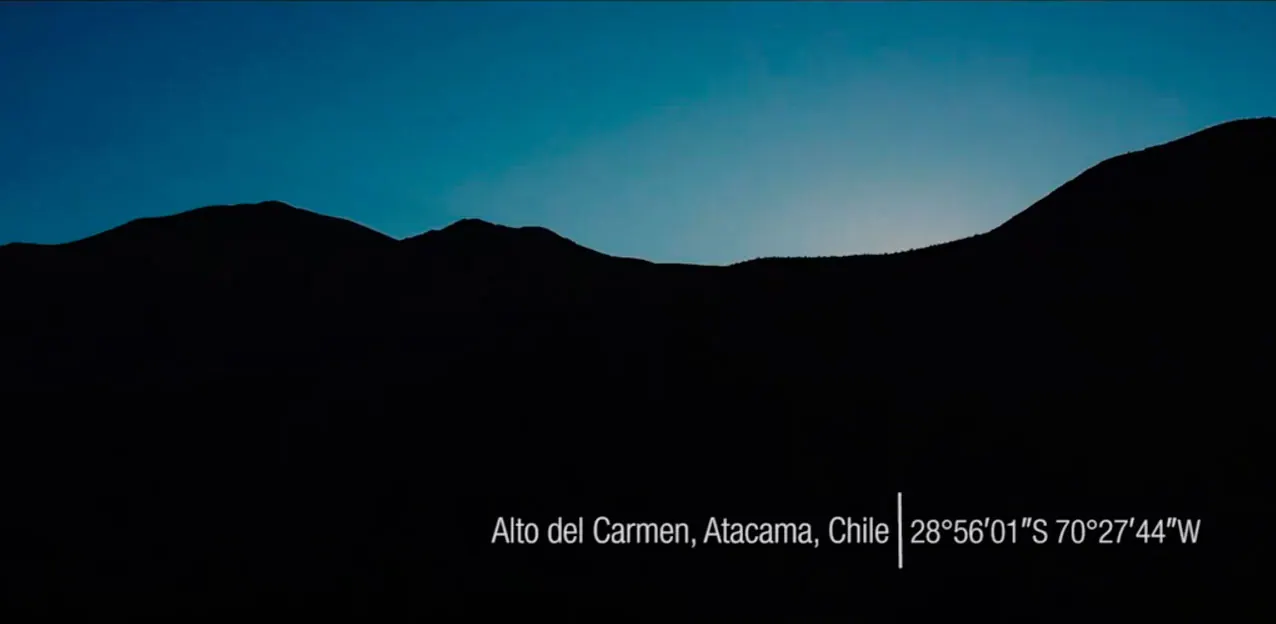
Alto del Carmen lies in a remote and isolated location, set within the Huasco Valley, at the confluence of the El Tránsito and El Carmen rivers, where the Huasco River originates. It is surrounded by mountains of strong ochre color, dry and stony in composition. The town has no more than 700 inhabitants and, except for the church, no building exceeds two stories in height. In 2015 Alto del Carmen suffered a severe flood/debris flow; because of this, the building, beyond becoming the community's meeting place, also becomes a reference point for the town's reconstruction.
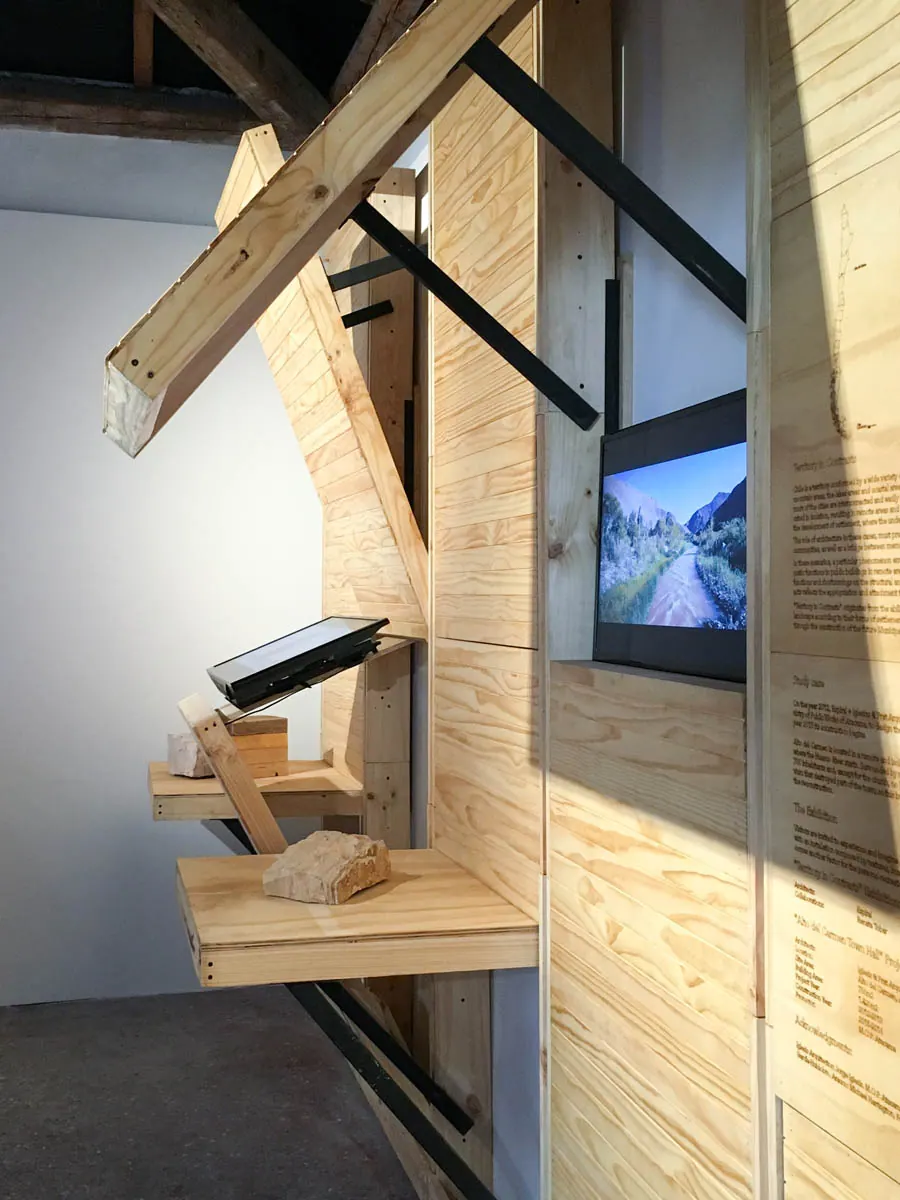
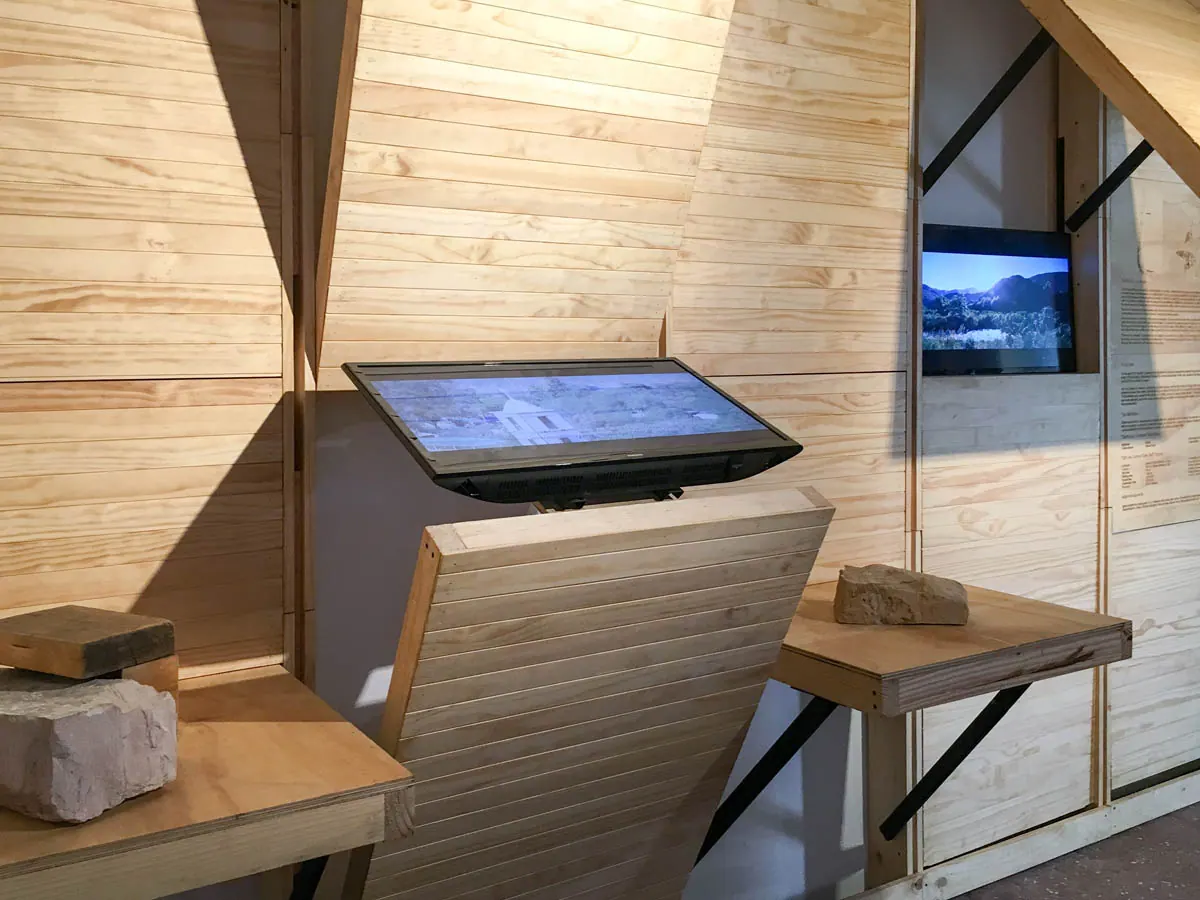
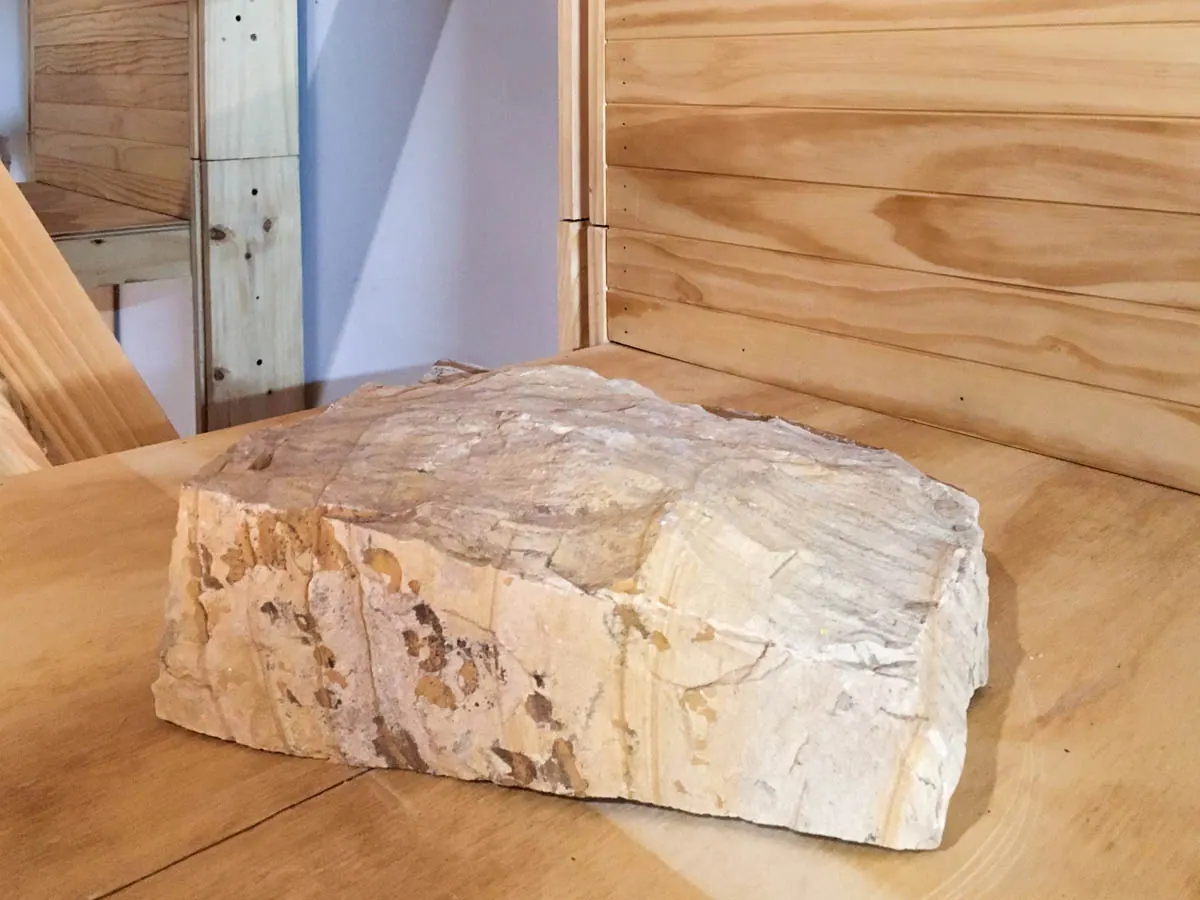
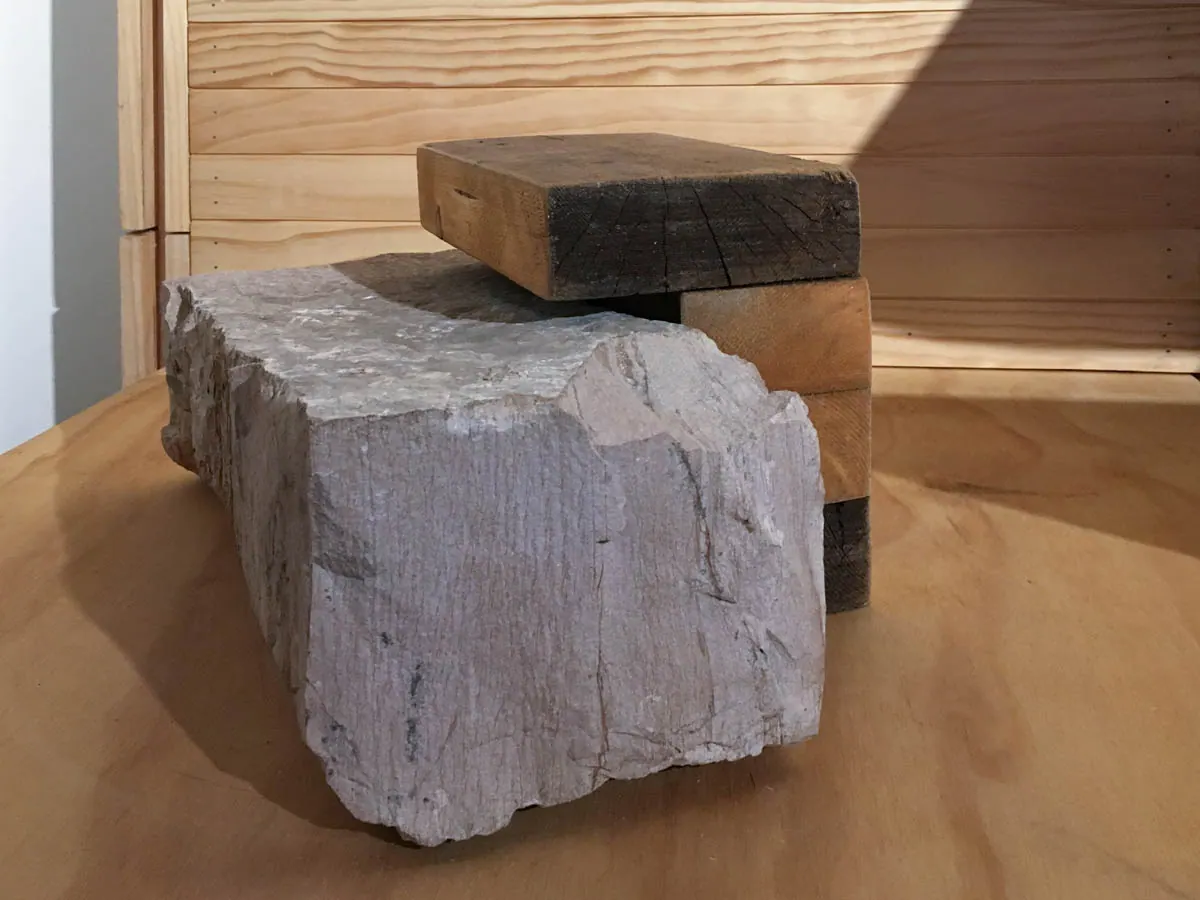
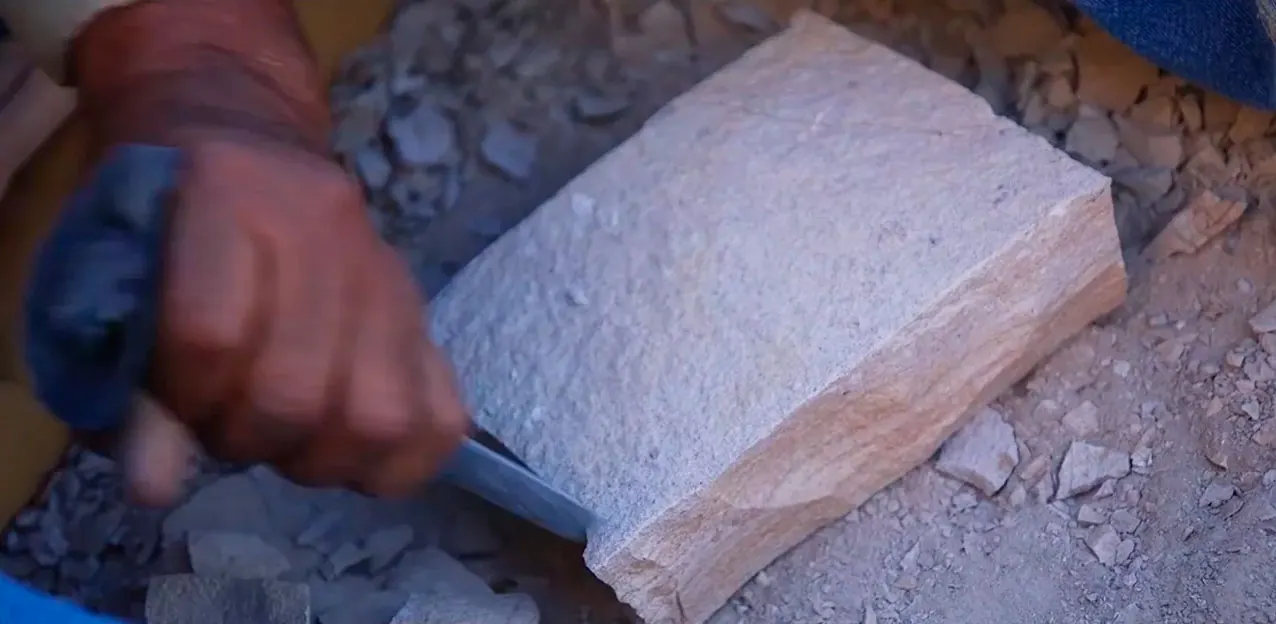
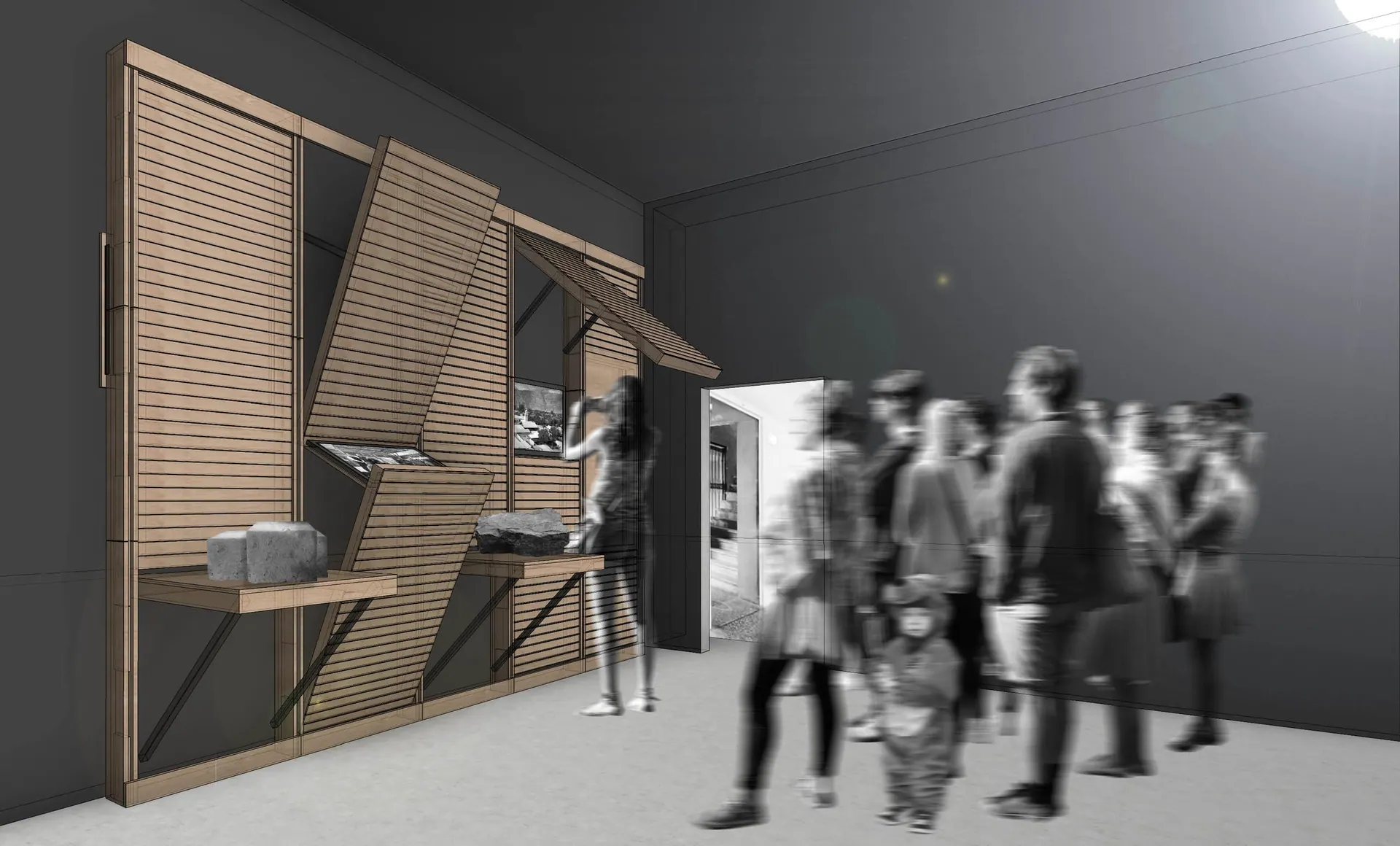
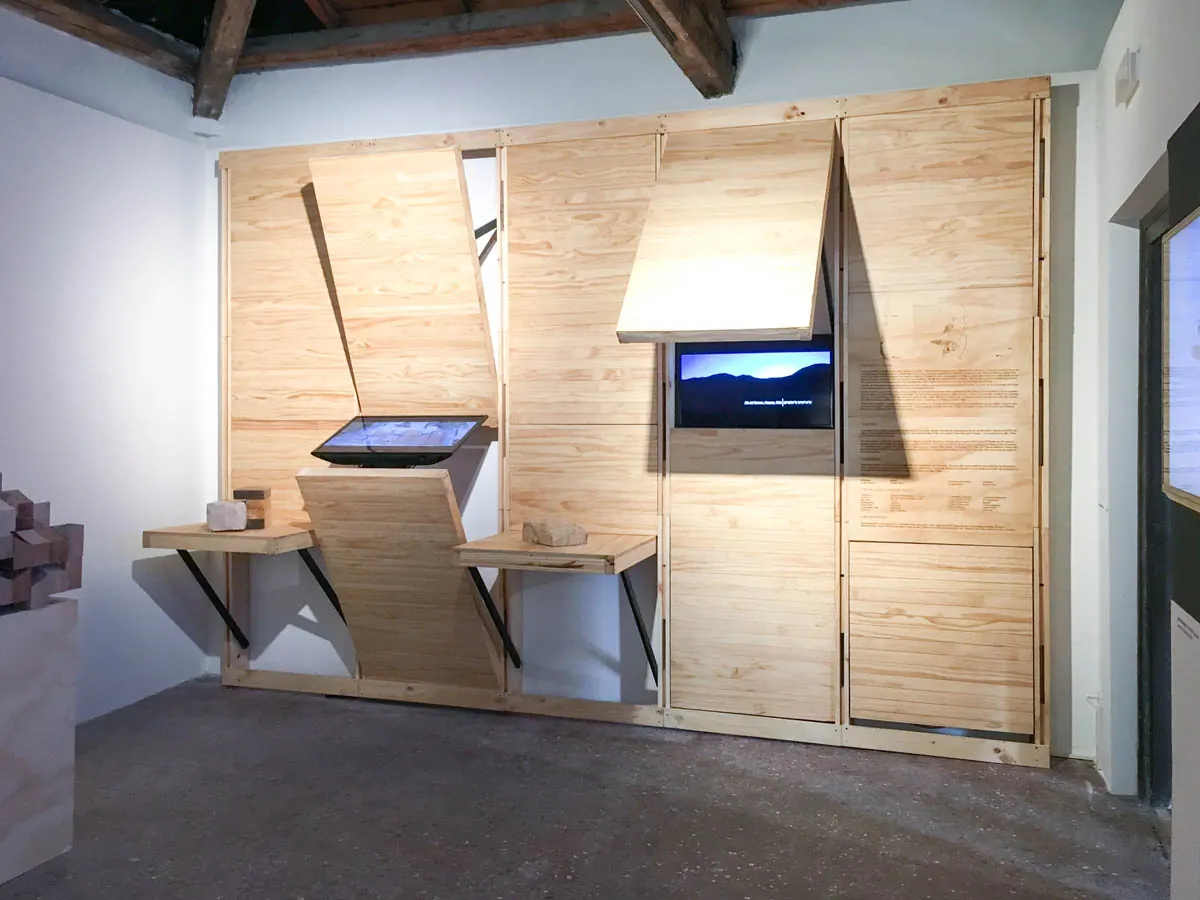
To this end, a dialogue begins with the fundamental materials through direct experience with them, giving stone and wood the role of reflecting both the values that make up the identity of a country and a locality, and the atmospheres built within a building and its landscape.
The exhibit, then, seeks to convey the testimony and interaction of a locality with its environment and to present the qualities that build the singular identity of a place.
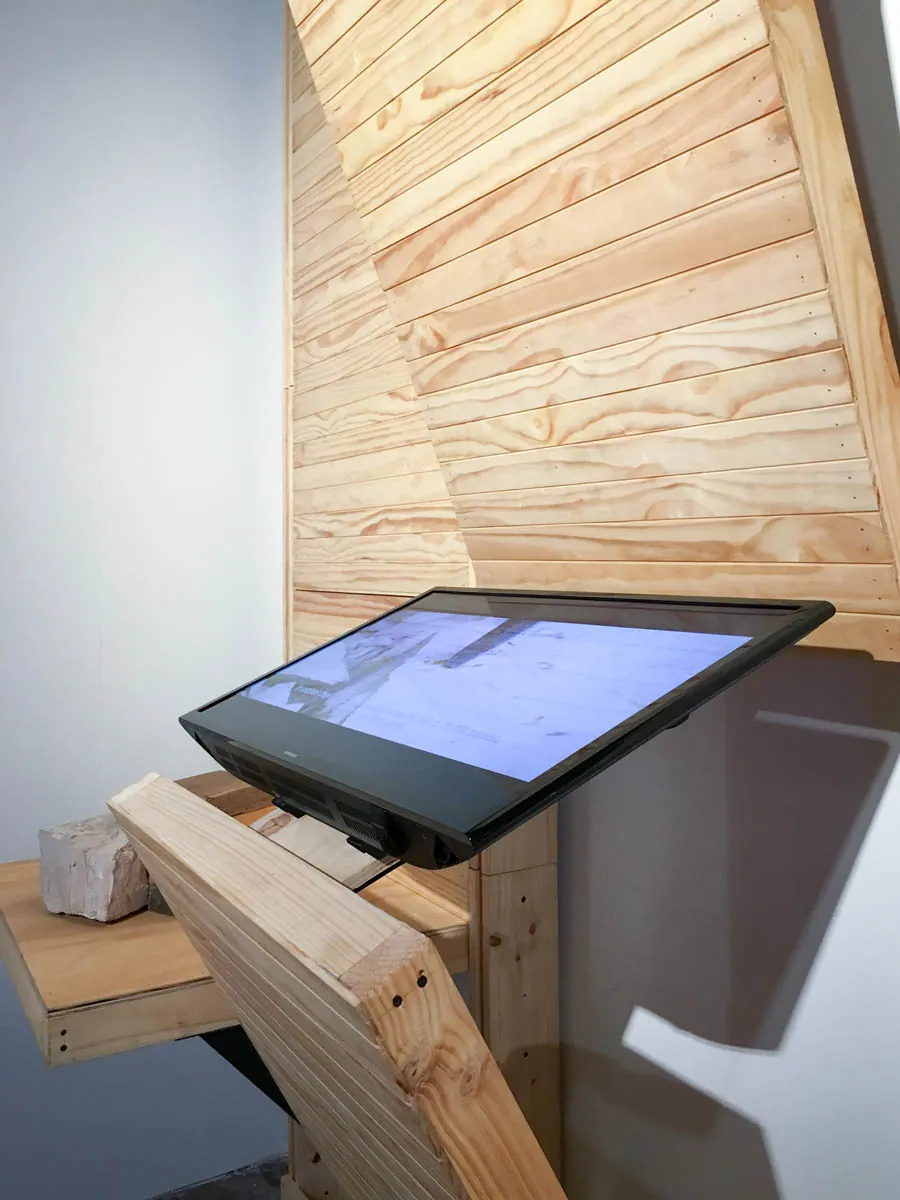
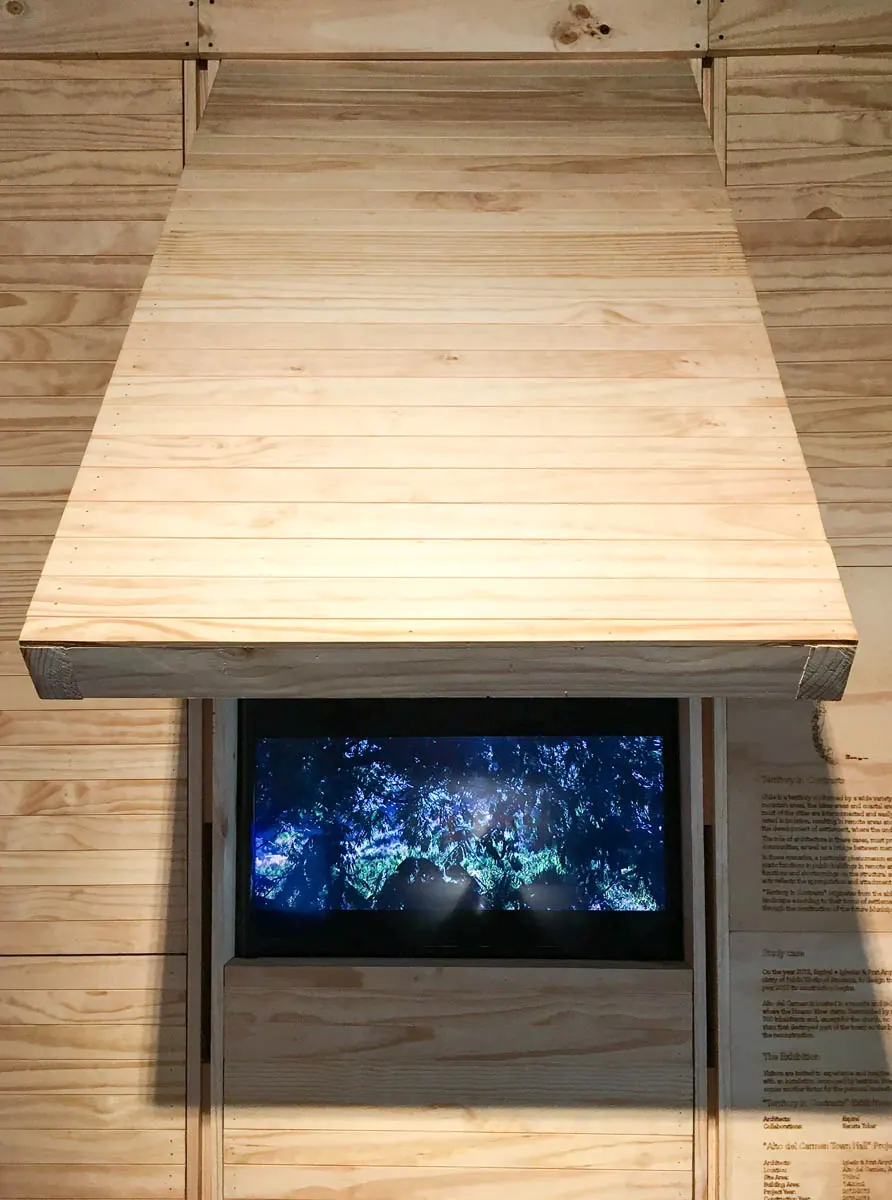
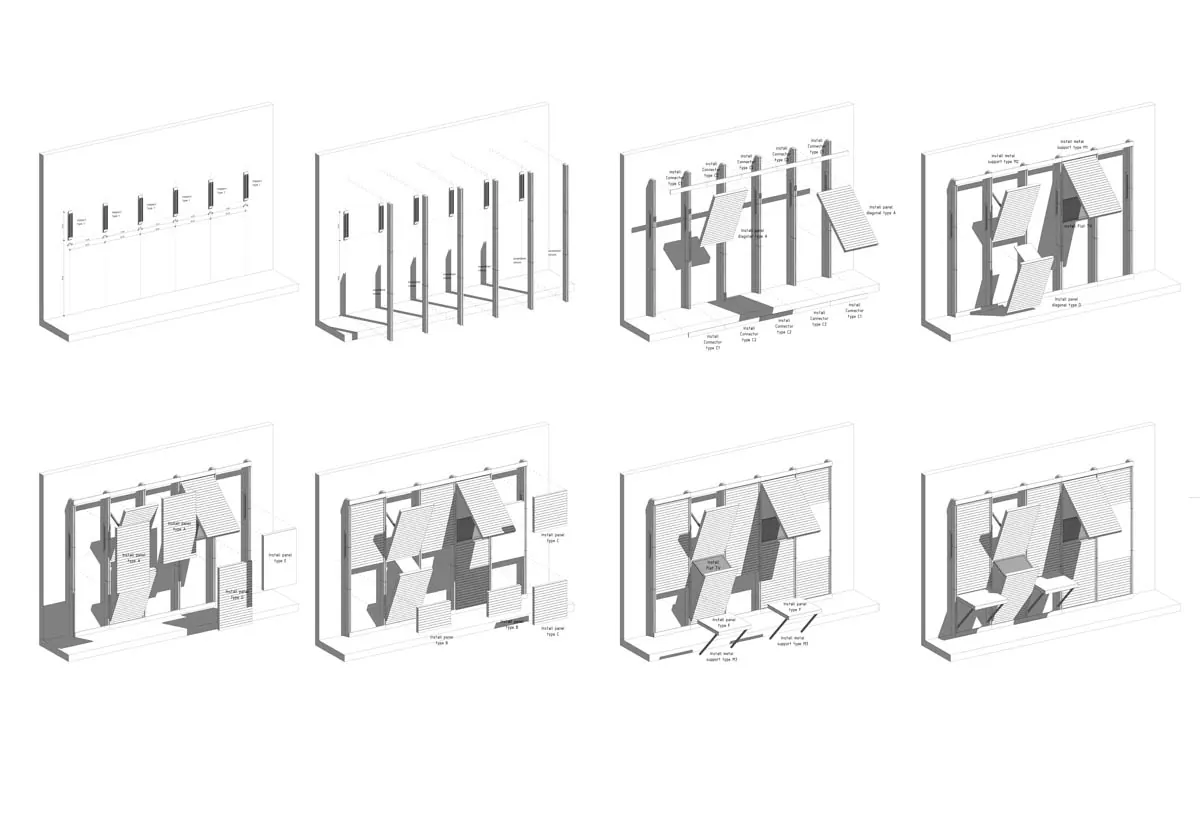
Exhibit: Visitors are invited to experience and imagine Alto del Carmen through the senses. Visitors connect with the place through interaction with an installation structured in textures, images, sounds, and time, where each visitor's degree of participation and their own imagination become another factor in the personal recreation of a place and a way of life.
Duration: May 28 - November 29
Curator: Global Art Affairs Foundation / La Biennale
Audiovisual Production: Colorín
Musical Composition: Alberto Parot
Collaborator: Renata Tobar
Sponsor: Arauco - Universidad Finis Terrae School of Architecture
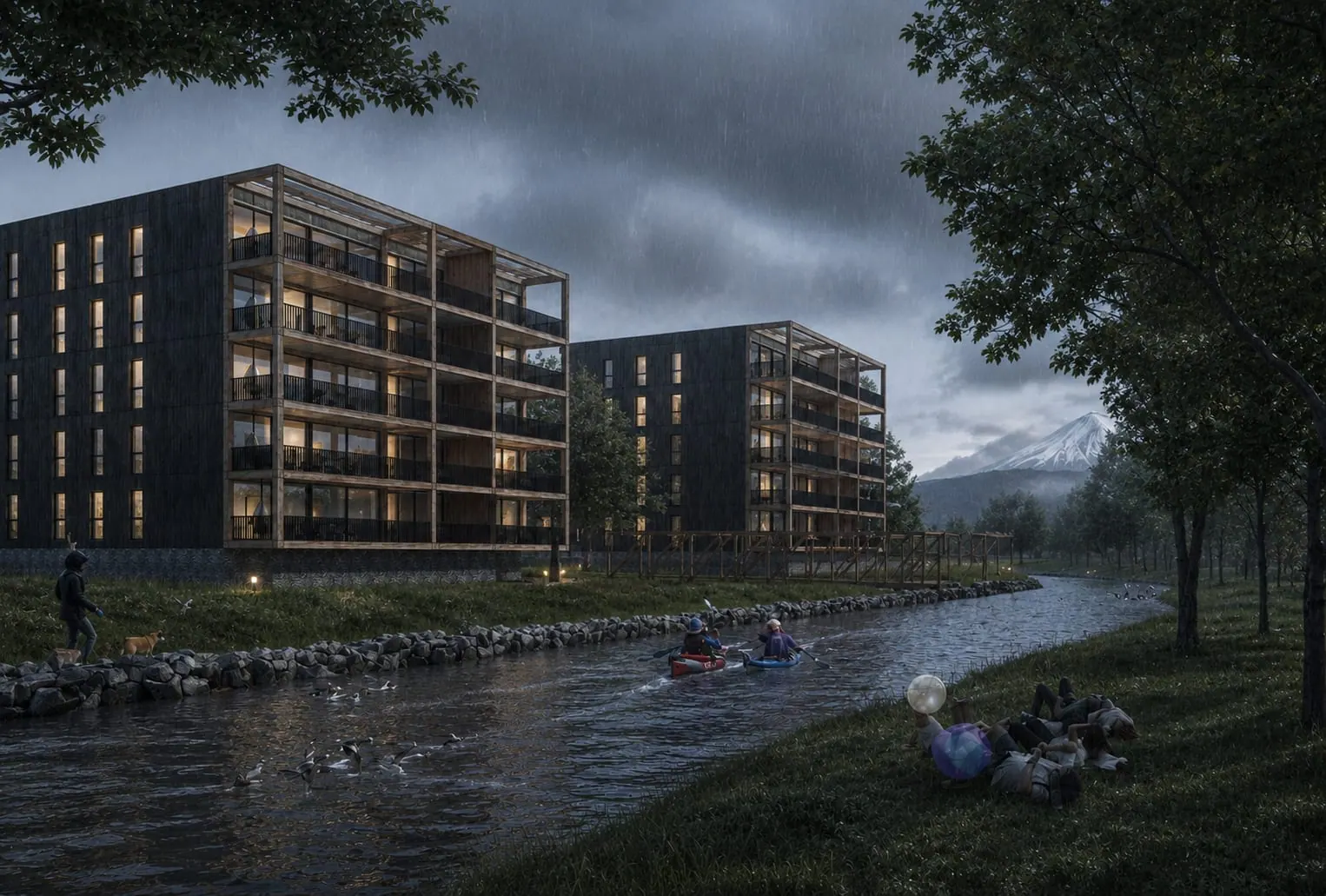
"Territory in Contrasts": arises from the capacity to convey the identity of a territory and its population through human action on the landscape according to their forms of settlement. To this end, we give value to the town of Alto del Carmen, located in Huasco Province, through the construction of its future City Hall.
Case study: In 2012, Espiral + Iglesis&Prat Arquitectos were awarded the tender commissioned by the Architecture Directorate of the Ministry of Public Works of Atacama to design the future Alto del Carmen City Hall in the Atacama Region (Region III). Construction began on December 3, 2015.